
NO. de listado 994319
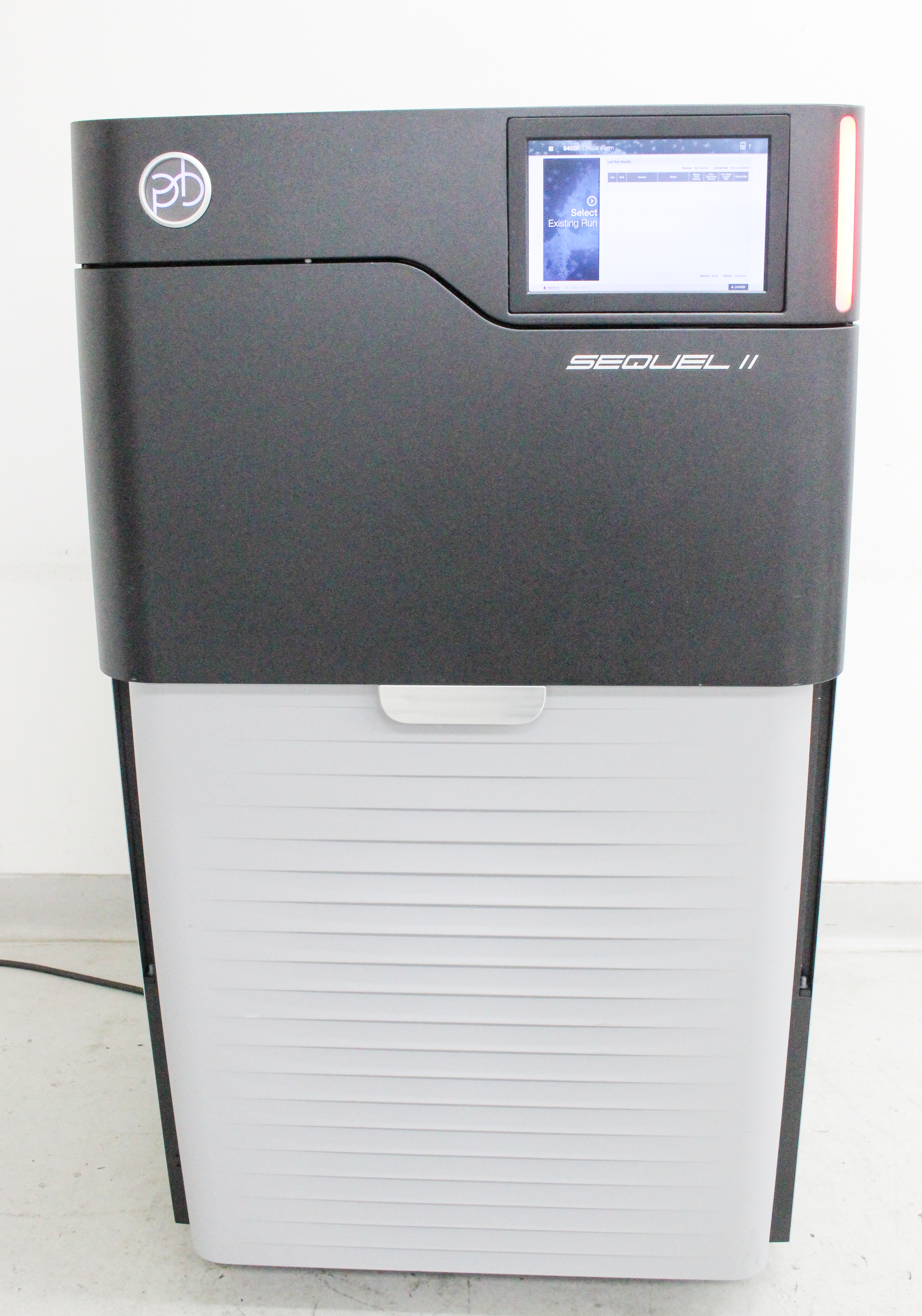
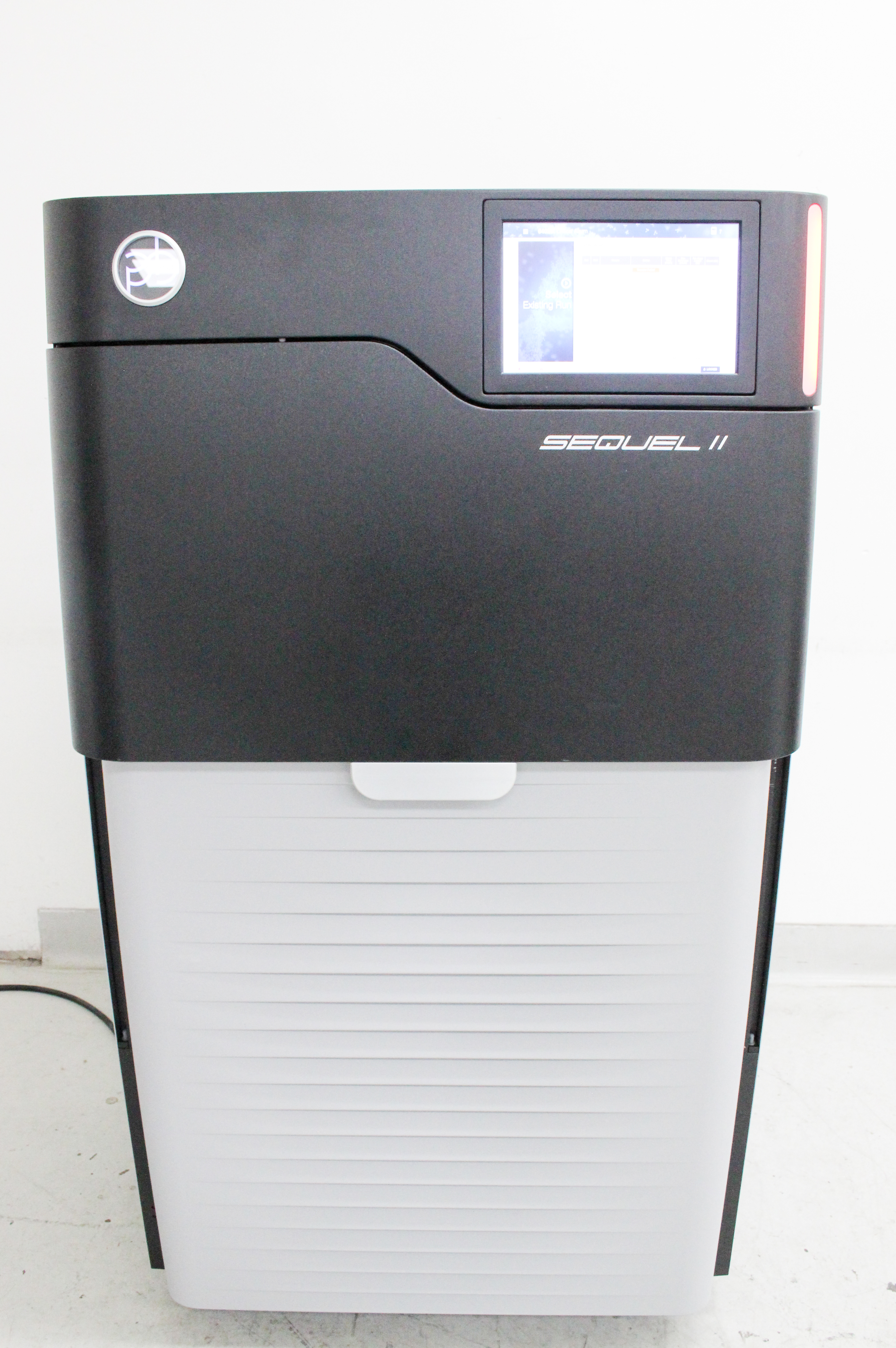
Secuenciador PacBio Sequel II
Comprar artículos de segunda mano PacBio Secuenciador en venta
Ubicación: CA, EE. UU.
Nivel de Remoción:
Por qué recomendamos una inspección
*Todas las ofertas se deben ingresar en la divisa aceptada del vendedor
¿No encuentra lo que está buscando? Lo encontramos por usted.
Descripción del equipo
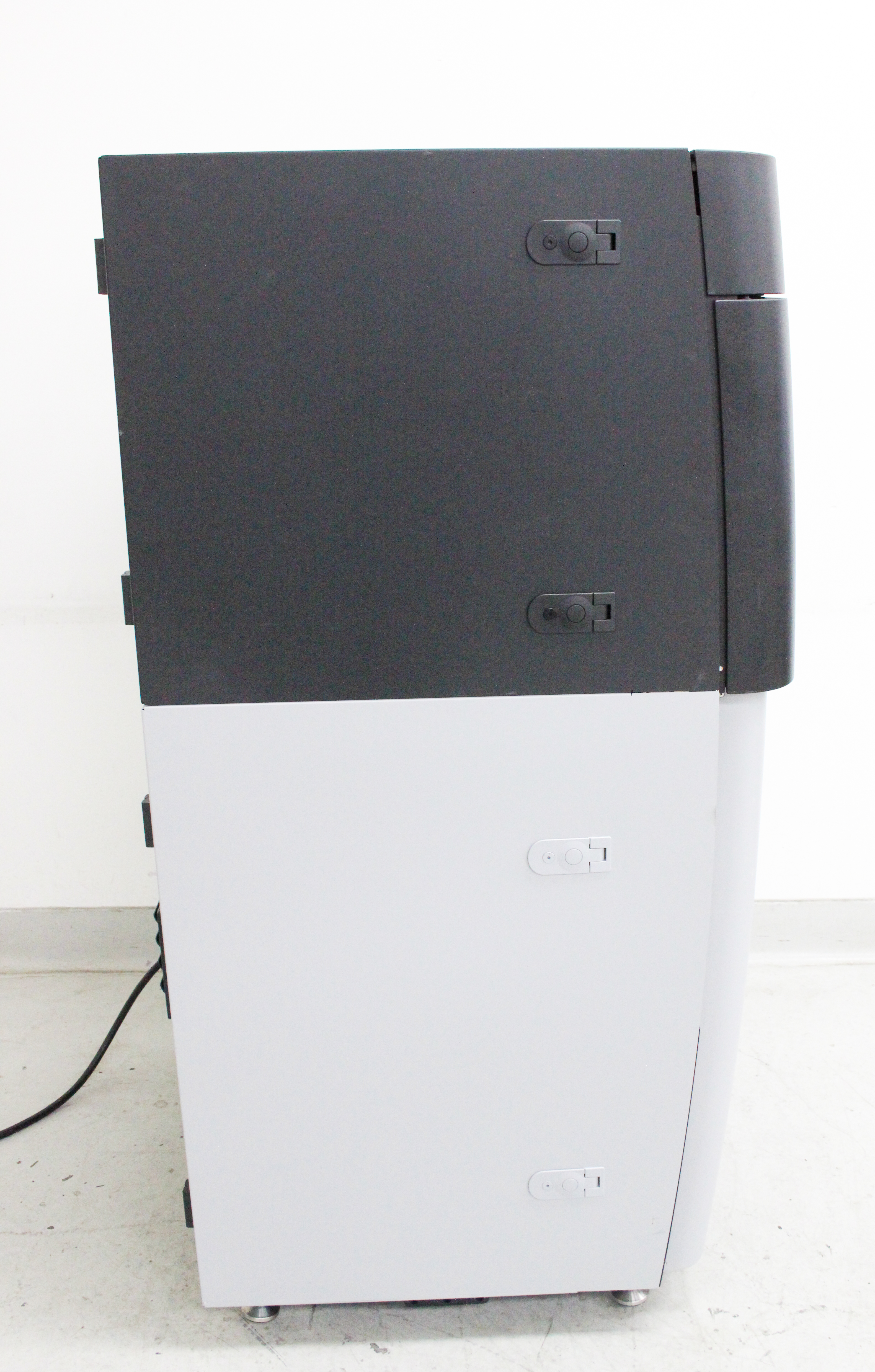
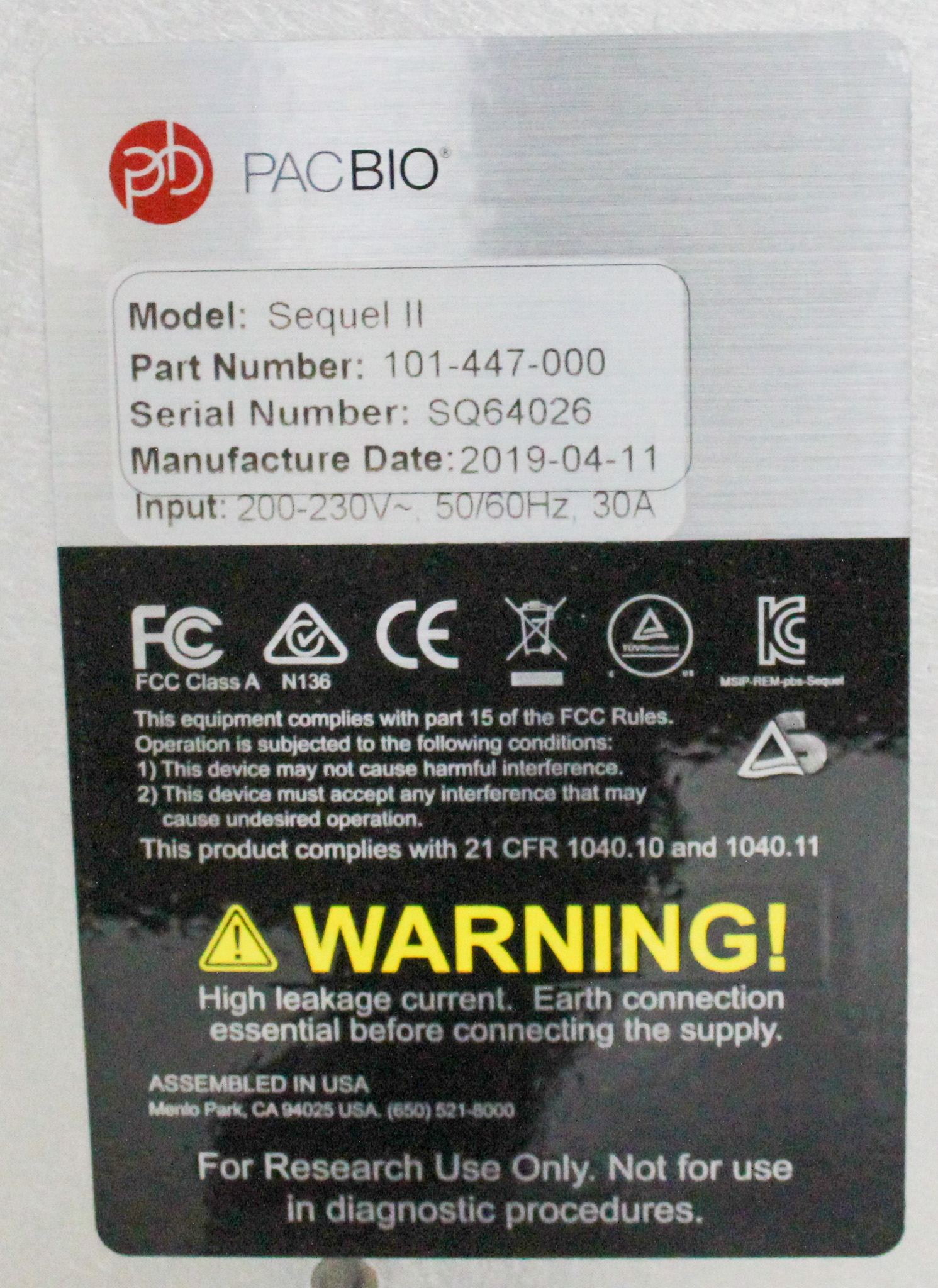
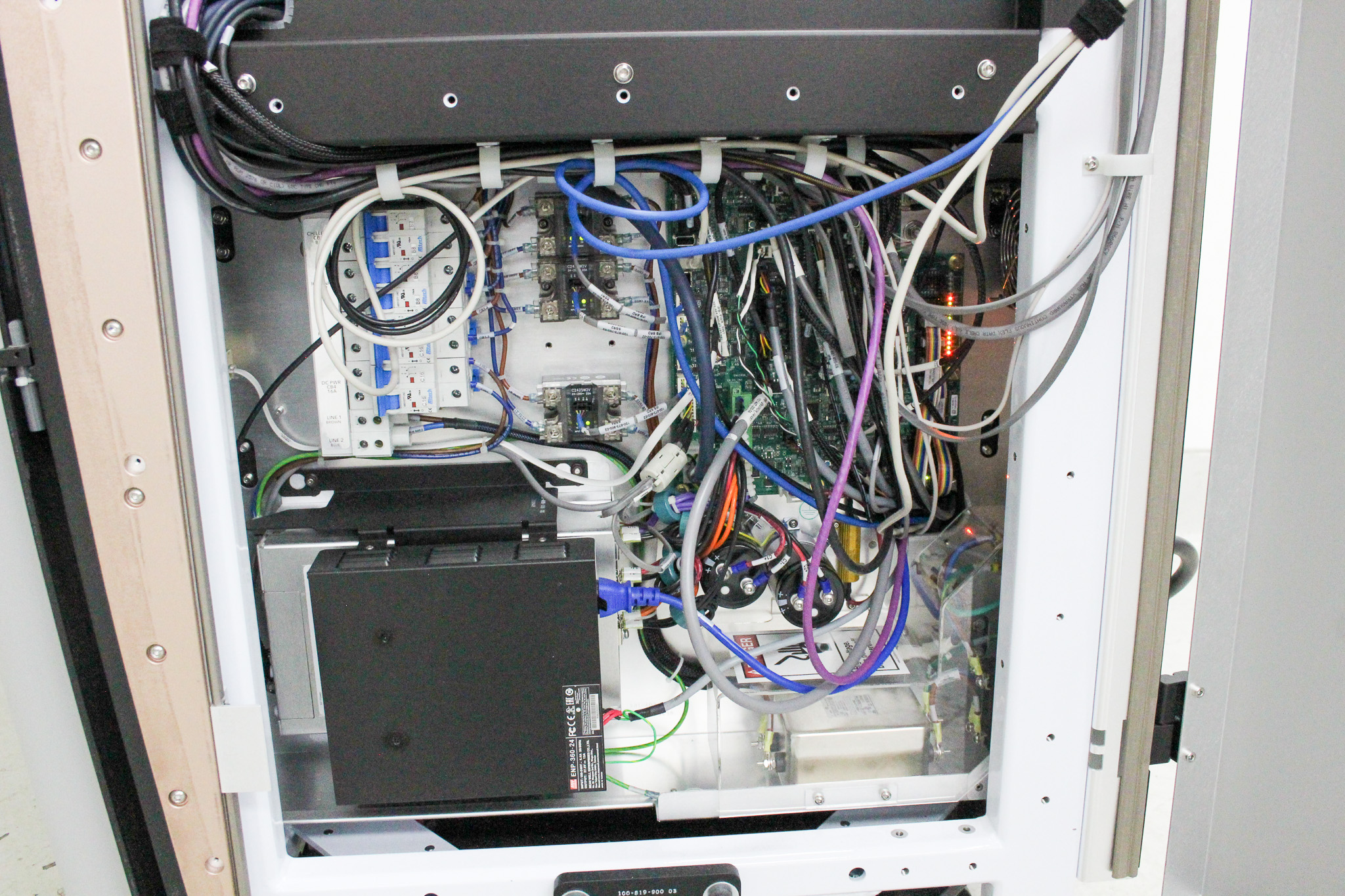
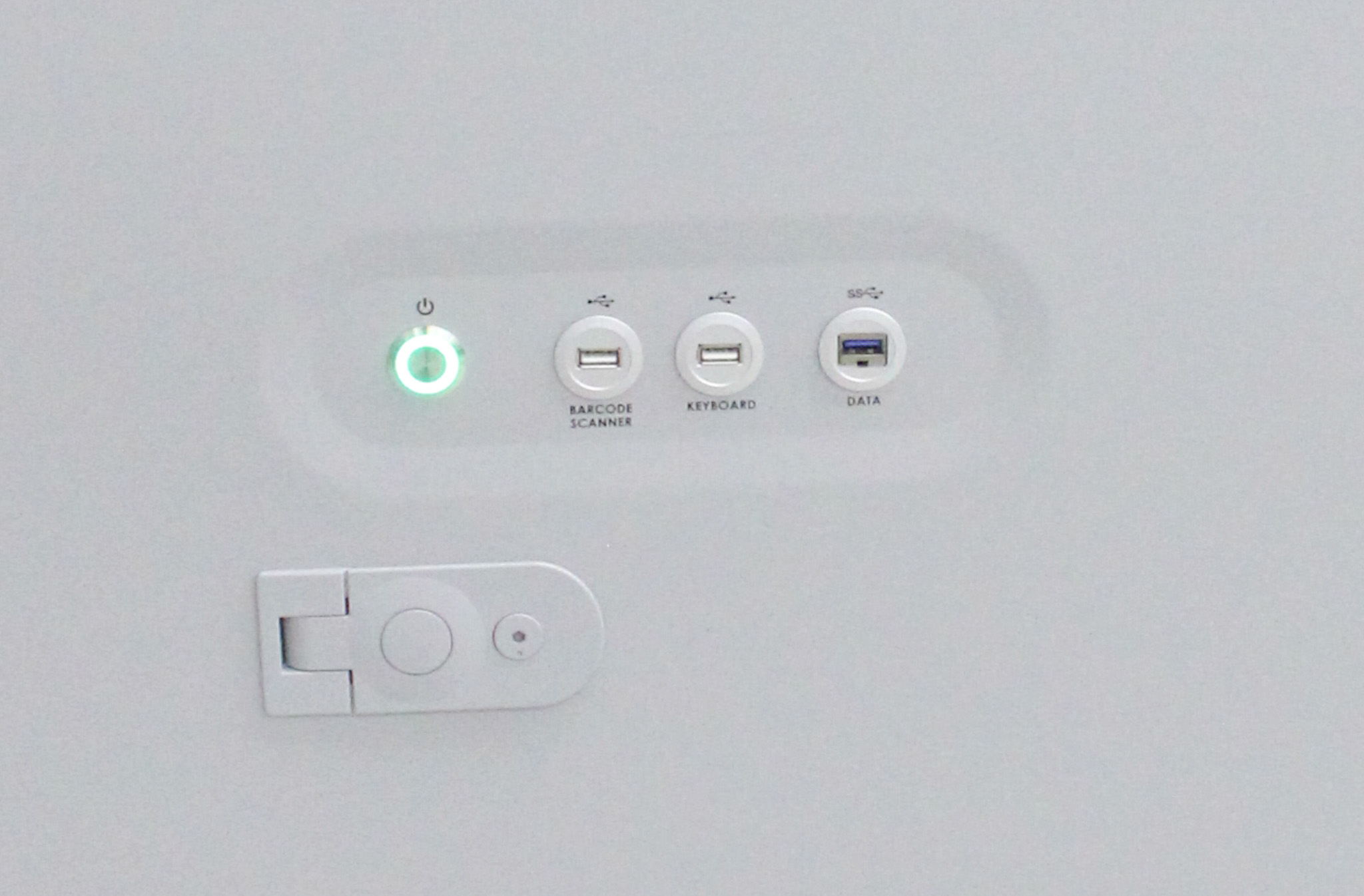
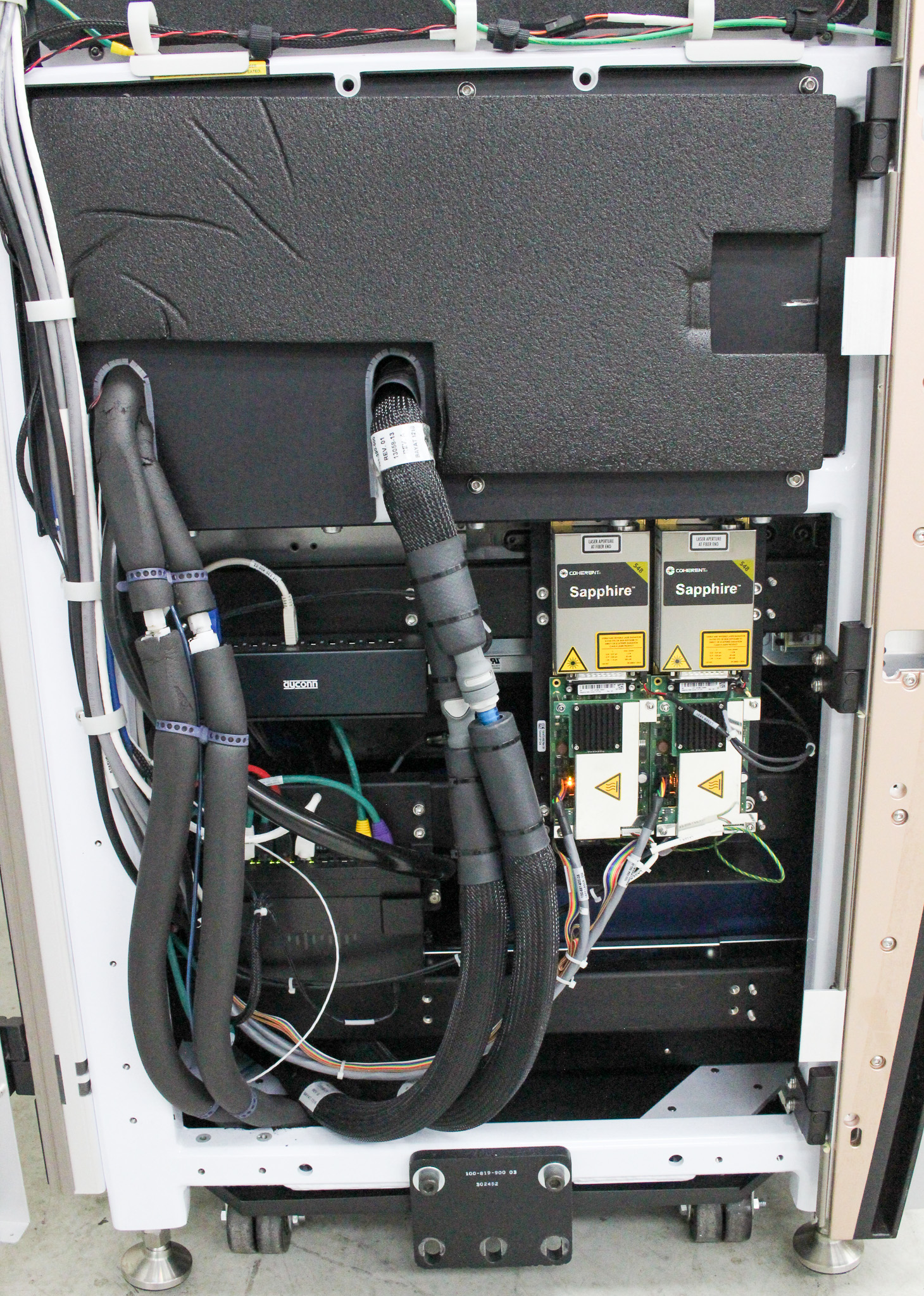
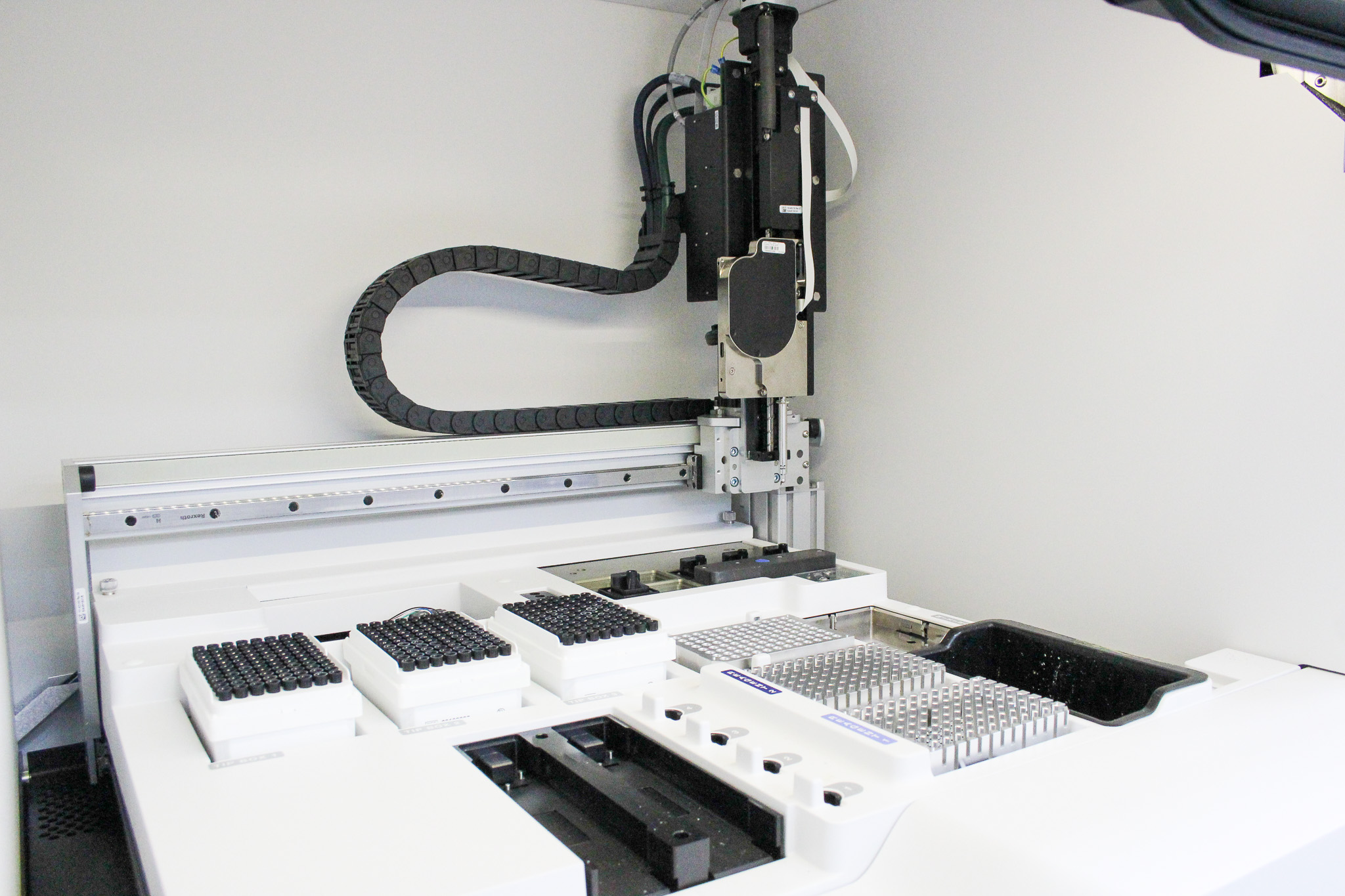
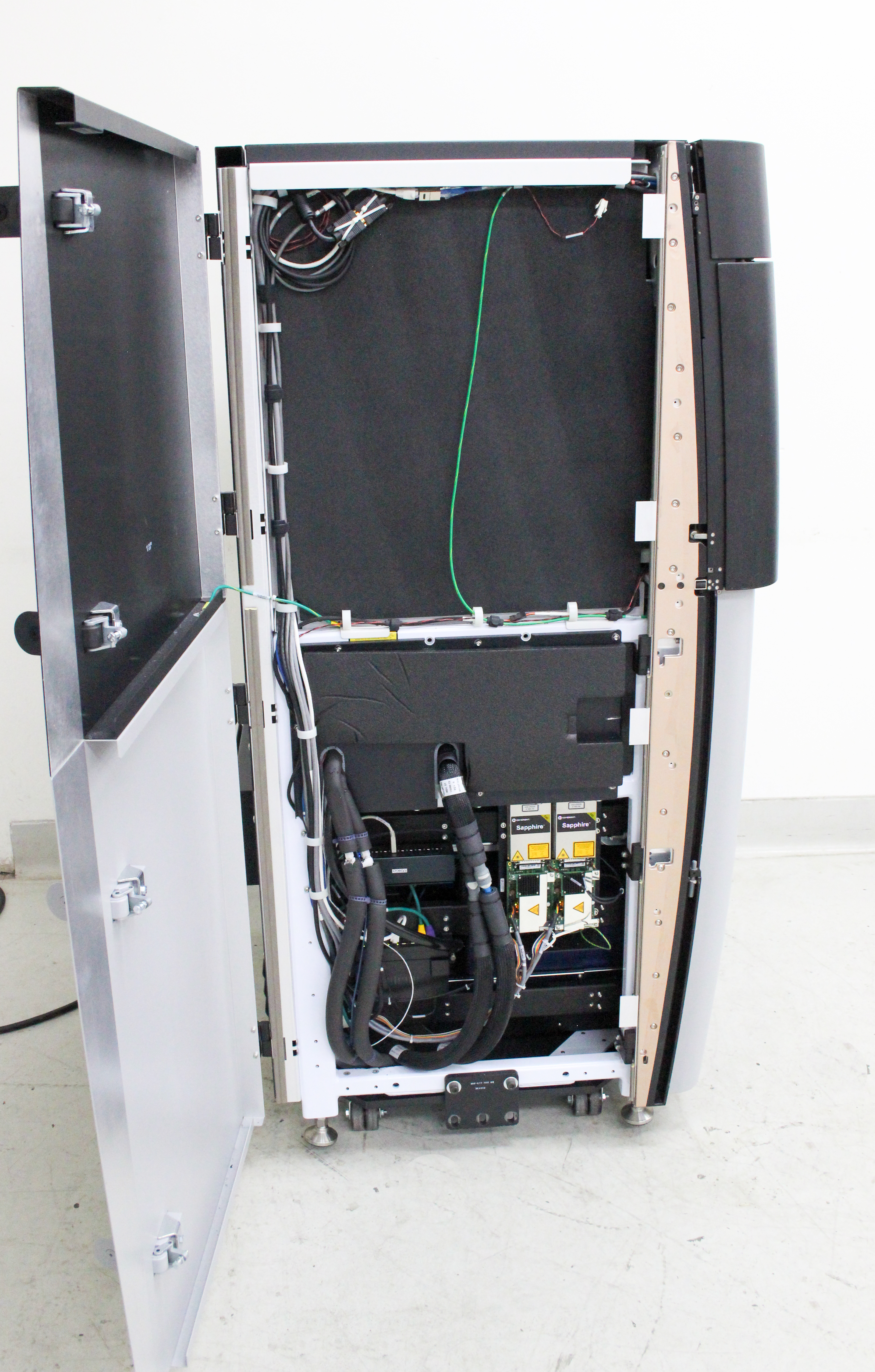
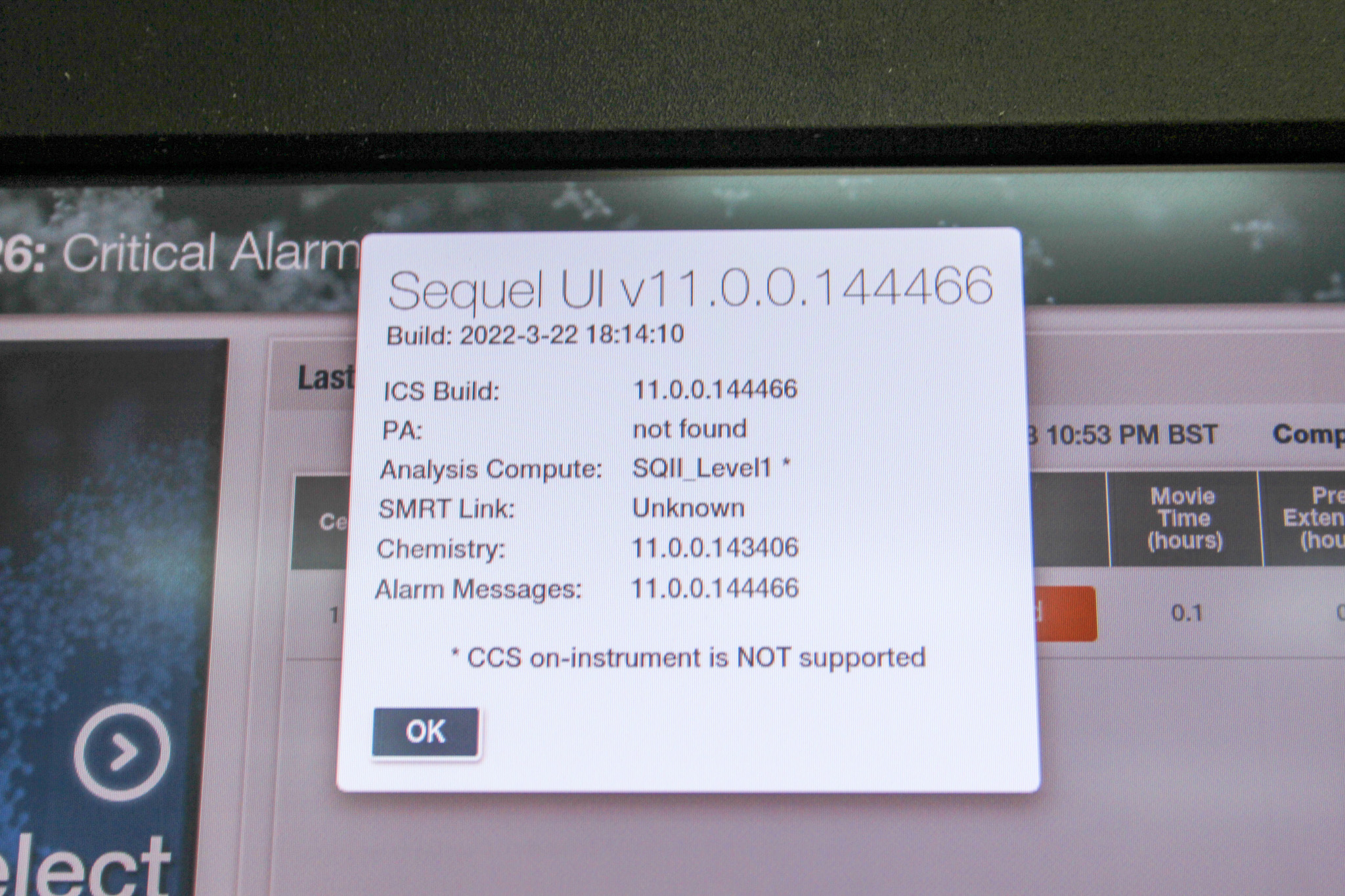
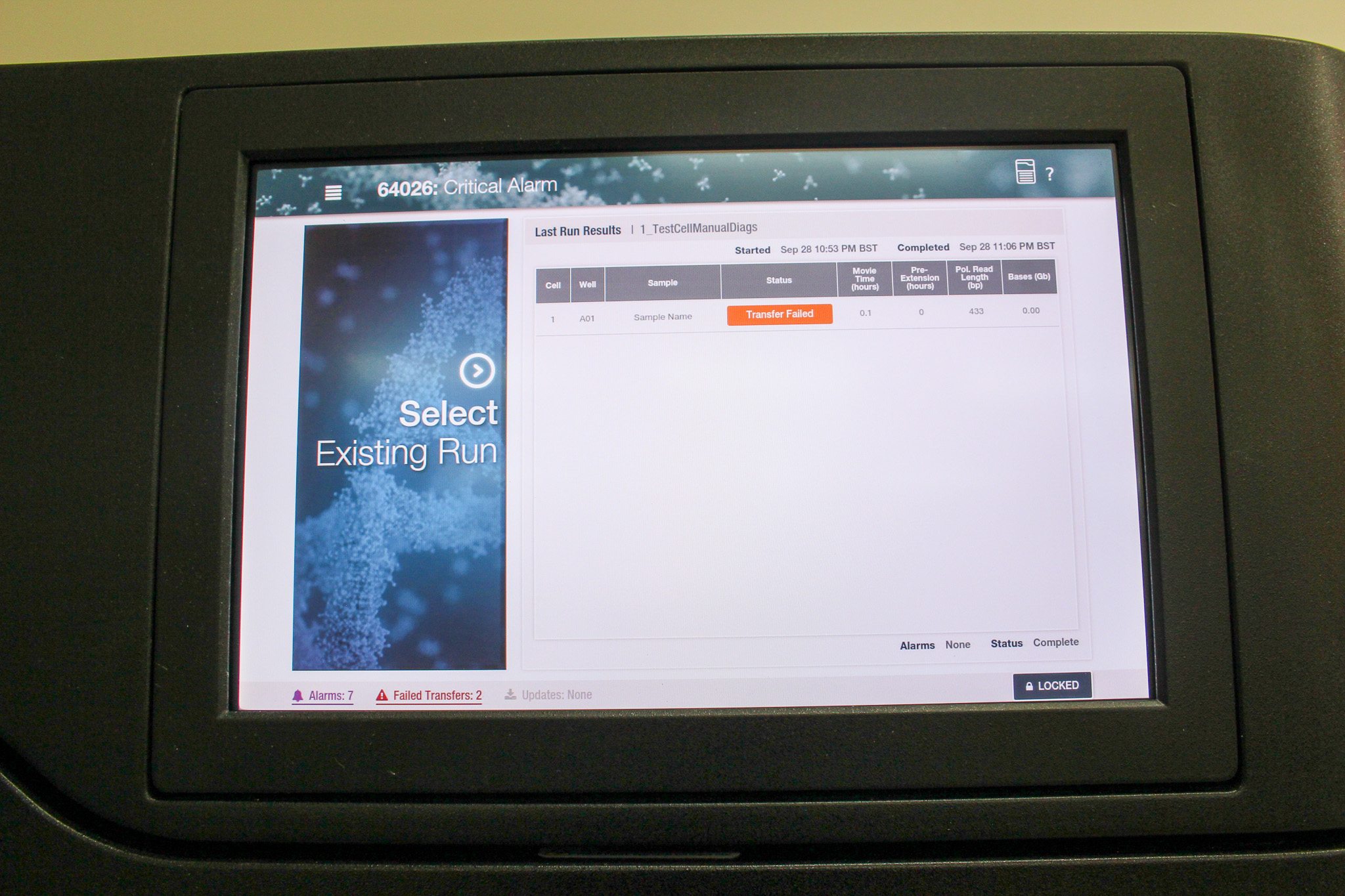
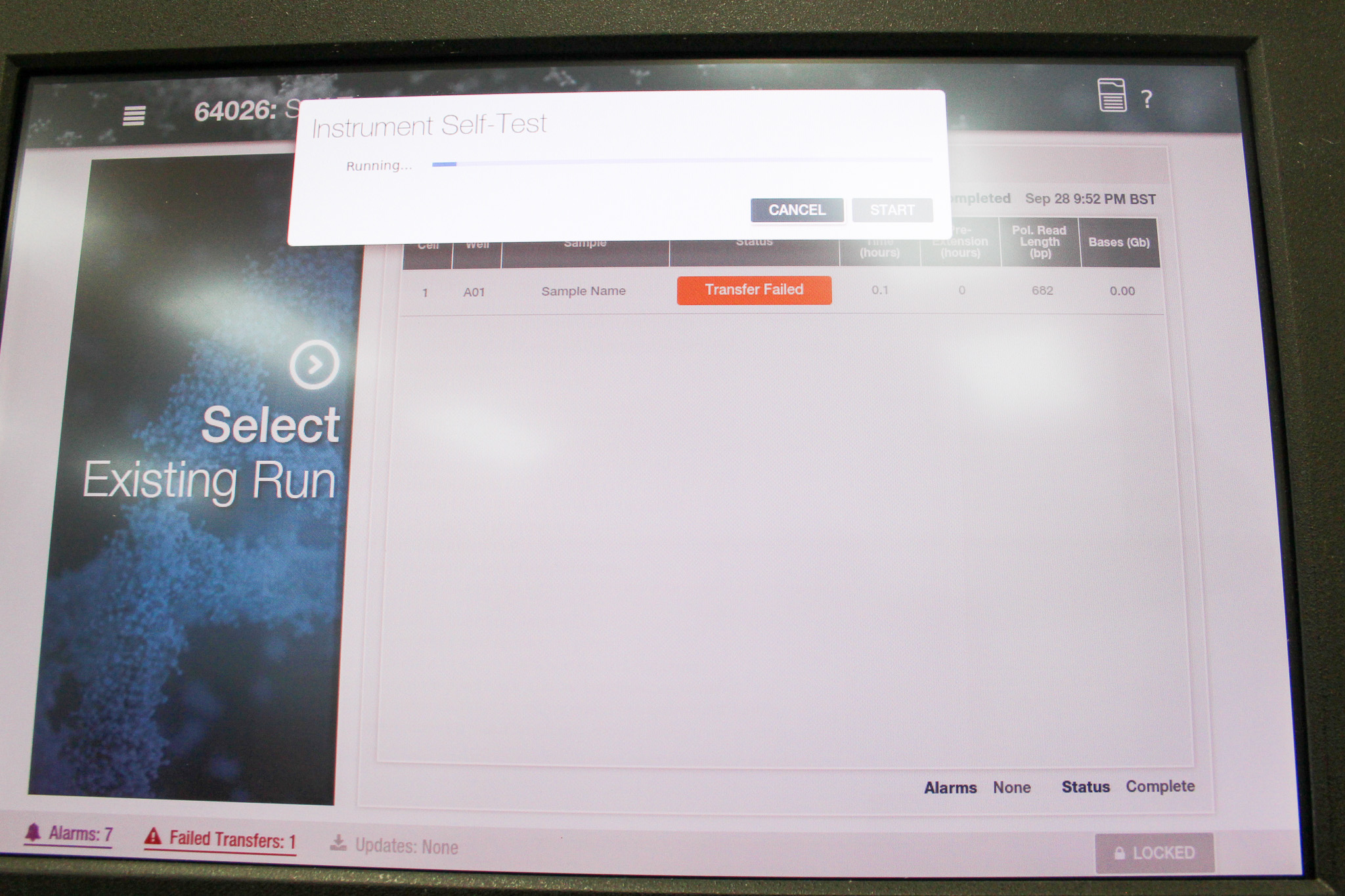
***This unit was removed from a working environment. Unit is in excellent cosmetic condition with little to no-wear from normal use. 30-day warranty included with purchase. See photos for details.
The PacBio Sequel II is a next-generation DNA sequencing platform developed by Pacific Biosciences (PacBio). It is an advanced instrument used for single-molecule, real-time (SMRT) sequencing of DNA molecules. SMRT sequencing is a technology that allows for long-read sequencing, which means it can generate much longer sequencing reads compared to traditional short-read sequencing methods, such as Illumina sequencing.
Key features and advantages of the PacBio Sequel II include:
Long Read Lengths: The Sequel II can produce sequencing reads that are tens of kilobases in length, which is especially useful for de novo genome assembly, structural variant detection, and studying complex genomic regions.
High Accuracy: PacBio Sequel II has high raw read accuracy, and the circular consensus sequencing (CCS) method can be used to improve the accuracy further, making it suitable for various applications, including genome sequencing, RNA sequencing, and epigenetics research.
Real-Time Sequencing: Unlike traditional sequencing methods, which rely on fluorescence-based detection, PacBio Sequel II uses SMRT sequencing technology to capture real-time information about individual DNA molecules as they are being sequenced.
Reduced Bias: The long-read nature of Sequel II data reduces bias in sequencing, making it particularly well-suited for resolving complex genomic regions, repetitive sequences, and structural variations.
Epigenetic Information: PacBio Sequel II can also provide epigenetic information through its SMRT sequencing technology, allowing researchers to study DNA modifications such as DNA methylation in a single-molecule context.
Comprehensive Analysis: The long reads produced by Sequel II can be used for a wide range of applications, including whole-genome sequencing, targeted sequencing, metagenomics, transcriptomics, and more.
General Specifications:
Read Length: PacBio Sequel II is known for its long-read sequencing capabilities, with read lengths that can extend up to tens of kilobases (e.g., 15-20 kb on average). Circular Consensus Sequencing (CCS) can further improve read accuracy and length.
Throughput: The Sequel II system has a varying throughput depending on the type of SMRT Cells and chemistry used. It can generate several gigabases (Gb) to tens of gigabases of sequencing data per run.
Sequencing Technology: It utilizes Single-Molecule, Real-Time (SMRT) sequencing technology, where individual DNA molecules are sequenced in real-time.
Accuracy: PacBio Sequel II offers high raw read accuracy, and CCS can be used to achieve even higher consensus accuracy, typically exceeding 99%.
Applications: The system is suitable for a wide range of applications, including whole-genome sequencing, targeted sequencing, structural variant analysis, metagenomics, transcriptomics, and epigenetics research.
Library Preparation: PacBio Sequel II requires specific library preparation protocols to generate the DNA templates for sequencing. Different library preparation methods are available to suit different research needs.
Data Analysis: PacBio provides software tools for base calling, assembly, and analysis of Sequel II data. The analysis pipeline may involve multiple steps to generate high-quality results.
Instrumentation: The Sequel II instrument consists of a sequencing platform, SMRT Cells for sample loading, and a data analysis server or computing infrastructure for data processing.
Cost: The cost of sequencing on the PacBio Sequel II platform includes instrument maintenance, reagents, and consumables. The pricing structure may vary based on factors such as throughput and sequencing chemistry.
Sample Compatibility: Sequel II is compatible with a wide range of DNA and RNA sample types, including bacterial genomes, human genomes, plant genomes, and complex metagenomic samples.
Epigenetics: PacBio Sequel II can also provide information about DNA modifications, such as DNA methylation, making it useful for epigenetics research.
Especificaciones:
Fabricante
Año:
Número de serie:
Modelo:
Dimensiones:
General:
Documentos del activo
Aviso Legal:
Este listado se vende "en el estado que está y en donde se encuentre". Le sugerimos que se comunique con un representante de ventas de EquipNet para programar una inspección. Este artículo se encuentra ubicado en
CA
Este Listado está sujeto a costos por carga y remoción.
La descripción escrita que se ofrece para este artículo es EXACTAMENTE lo que usted recibirá si decide comprar este listado. Los artículos que no estén en la descripción pero que aparezcan en las representaciones visuales del listado, no estarán incluidos en la venta. Las fotos y videos se ofrecen únicamente como referencia y para dar una idea general de las condiciones del artículo. Por favor tome en cuenta que el peso y las dimensiones de los equipos que EquipNet proporciona en los listados solo es un aproximado y que puede variar del peso y tamaño real. Los etimados de los Vendedores por lo general no son precisos especialmente cuando se compara el equipo instalado y el mismo equipo prerarado para su envio. Por tal motivo. por favor no se confíe de la exactitud de la información en los listados de EquipNet cuando realice cotizaciones de envío y/o requerimientos del tamaño del usuario. No es transferible ningúna licencia relaacionada a este equipo.
Condiciones del derecho de devolución:
Servicios relacionados:
EquipNet ofrece soporte para todo el ciclo de vida del equipo, desde la compra hasta la entrega, el almacenamiento y la preparación, para que pueda seguir adelante con confianza.
- Logística global
- Soluciones de almacenamiento
- Servicios de ciclo de vida de los equipos
- Asesoramiento y apoyo en materia de cumplimiento normativo
- Programas de seguridad en el lugar de trabajo
- Documentación de seguridad
- Auditorías de la FDA y preparación para inspecciones
- Validación de calidad y procesos